
What Is Link Building in SEO?
Link building is the process of getting other websites to link back to yours.
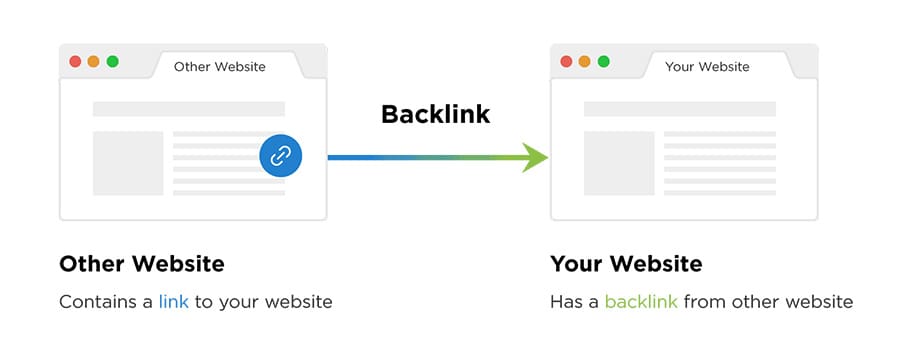
When a credible site links to your practice, Google reads that as a vote of confidence. It signals that your site is worth referencing. That helps Google decide your site is worth ranking higher.
Think of it this way.
Two plastic surgeons in Tampa have nearly identical websites. Same content quality. Same keywords. Same on-page SEO.
The one with more high-quality backlinks pointing to their site will almost always rank higher.
Not all links carry the same weight, though.
A link from a respected medical publication or a trusted local news outlet is worth far more than a mention on a random, low-traffic blog.
Quality is everything in link building.
How Does Link Building Help SEO?
Link building works in four specific ways worth knowing.
Rankings improve. Google uses backlinks as a trust signal. More authoritative links pointing to your site tells the algorithm your practice is credible and relevant.
Domain authority grows. Your site has an overall authority score based on who links to it. A stronger score lifts rankings across every page on your site, not just the pages you’re actively optimizing.
Referral traffic increases. Quality links from platforms like RealSelf, Healthgrades, or a Phoenix plastic surgery lifestyle publication don’t just help SEO. They send real, interested visitors directly to your website.
Google finds your content faster. A healthy backlink profile helps search engine crawlers discover and index new pages more quickly.
According to a 2025 analysis, top-ranking pages have 3.8 times more backlinks than pages sitting in positions 2 through 10. Backlinks remain a top-3 Google ranking factor. That gap does not close on its own.
Why Link Building for Plastic Surgeons Is a Different Game
Plastic surgery is one of the most competitive search categories in healthcare.
Plastic surgery practices in Austin, Tampa, Boca Raton, and Phoenix are all competing for the same high-intent searches.
Patients looking for a rhinoplasty or a mommy makeover are not browsing casually. They’re researching, comparing, and reading reviews across multiple sessions before they ever pick up the phone.
Google knows this.
It rewards practices that demonstrate authority and credibility, not just the ones that published the most blog posts.
That’s where link building for plastic surgeons becomes a real differentiator.
A strong backlink profile signals to Google that your practice is respected in your field and trusted in your community.
According to The Backlinko, 95% of all web pages have zero backlinks. Consistent, quality link building puts your practice in rare territory.
And rankings you build this way are much harder for competitors to take from you.
What Good Link Building for Plastic Surgeons Looks Like
There is no one-size-fits-all approach. But the most effective sources for plastic surgery practices tend to fall into a few clear categories.
Medical and Aesthetic Directories
RealSelf, Healthgrades, Zocdoc, and the American Society of Plastic Surgeons are high-authority platforms.
Listings here carry real SEO weight and represent a baseline most practices should already have covered.
Local Press and Media
Getting quoted in a Boca Raton plastic surgery publication or a Tampa health column earns you a local, relevant backlink.
These links reinforce your standing as a trusted voice in your specific market. Right now, that local relevance matters more than ever.
Digital PR
Digital PR features in publications like Allure, Byrdie, or regional lifestyle magazines are among the most valuable links a plastic surgery practice can earn.
They’re harder to get. But they move the needle in ways that directory listings simply cannot.
Guest Content and Expert Contributions
Writing for healthcare publications or aesthetic industry blogs builds authority and earns backlinks at the same time.
If you have a point of view, this is one of the most natural ways to earn quality links.
Partner and Association Links
Hospital affiliations, medical school connections, and surgical organizations are frequently overlooked sources of high-quality, relevant links. If you have those relationships, they should be working for your SEO too.
Relevance matters across all of these.
A 2025 Moz study found that backlinks from niche-relevant websites deliver 2.7 times more ranking impact than links from unrelated sites.
A link from a healthcare publication wins over a generic business directory link.
What to Watch Out For With Link Building Services
Not all link building services are built the same. The wrong vendor can do real damage to your rankings.
Watch for these red flags:
- Promises of hundreds of links in a short timeframe
- Links from unrelated or low-quality websites
- Private blog networks
- Zero transparency about where links are actually coming from
Google penalizes manipulative link schemes.
A manual penalty or an algorithmic hit can erase years of SEO progress in a single update. That is a risk no practice should take.
60% of businesses outsource link building to agencies, and that is often the right call.
But choosing the right partner matters as much as the decision to invest.
Look for agencies that explain their outreach process, share link sources, and have actual experience in healthcare or aesthetics.
Ask for examples of past placements before you sign anything.
Wondering what legitimate SEO and link building investment typically costs? Our breakdown of SEO costs for plastic surgery practices gives you a clear, honest picture.
The Bottom Line
If your SEO efforts have plateaued, link building is likely the missing variable.
This is not a quick fix. It is a long-game strategy that compounds over time.
The practices in Austin, Boca Raton, and Phoenix that invest in link building for plastic surgeons today will be significantly harder to displace 12 months from now.
If you want to understand how link building fits into a broader digital marketing strategy for your practice, we’re happy to take a look at what you’re working with.