

How Much Should You Budget for Healthcare Lead Generation?

Are you setting the right budget for quality healthcare leads? Follow this guide to planning a healthcare lead generation budget that delivers on your ROI.

Parts of this article used AI but the thinking is all human.

Find Out What Your Digital Marketing Budget Should Be

This post may contain affiliate links.

By understanding the costs associated with healthcare lead generation, companies in the medical field can grow their patient base effectively and efficiently. You need to budget for setup costs, advertising/marketing, and data analytics so you can see how you’re performing and make improvements.

Healthcare lead generation is a critical investment. As health-tech firms evolve, having a solid budget can mean the difference between merely surviving and thriving. Proper budgeting ensures you can effectively capture quality leads, optimize your marketing efforts, and eventually, enhance your return on investment (ROI).

How Much Should You Budget for Healthcare Lead Generation?

Healthcare Lead Generation Key Takeaways

  • Healthcare lead generation is not a “nice to have.” It is a budget line that directly affects how fast your practice grows.
  • Your budget should cover four core areas: initial setup, paid advertising, content marketing, and analytics tools.
  • Knowing your target patient is step one. Spending money without a defined audience is just guessing.
  • Location and audience targeting help you focus spend where it is most likely to convert.
  • SEO, social media, and paid ads work best together, not in isolation.
  • Track the metrics that actually matter: cost per lead, conversion rate, patient acquisition cost, and lifetime patient value.
  • A budget that gets reviewed and adjusted regularly will always outperform one that gets set and forgotten.
  • If building this strategy in-house feels like too much, working with a specialist pays for itself faster than you think.

Why You Need to Set a Realistic Budget

A well-defined budget allows healthcare providers to allocate resources efficiently. With accurate calculations and careful planning, practices can implement strategies that encompass various digital marketing tactics such as SEO, social media, and targeted advertising.

One aspect that stands out is understanding how much you can afford to spend and what ROI you expect. To get a clearer picture, here are some important areas to consider:

  • Initial Setup Costs: This includes branding, website development, and digital asset creation.
  • Advertising Expenditure: Paid advertising, like Google Ads and social media campaigns, can generate instant visibility.
  • Content Marketing: Regular blogs, articles, and educational content can enhance SEO and establish authority in the healthcare sector.
  • Monitoring and Analytics: Employing tools to track leads, engagement rates, and other metrics is essential for ongoing optimization.
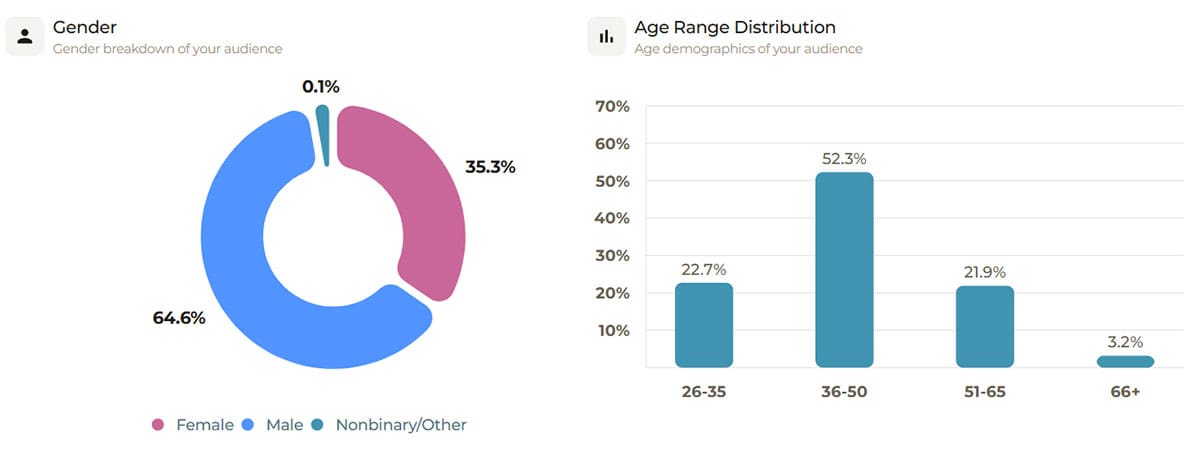
Example of a healthcare lead generation target audience data

Example of a healthcare lead generation target audience data.

Define Your Target Audience

Knowing your ideal patient demographic is crucial in shaping your marketing strategies. Are you targeting seniors looking for healthcare services or busy families in need of urgent care? Tailoring your messaging to resonate with specific groups can yield higher conversion rates.

Also, it’s essential to leverage GEO (location) and AEO (audience) targeting to maximize your outreach. These techniques enable you to focus your spending on areas where potential patients are most likely to respond positively, contributing to more effective lead generation.

Why Is Marketing So Important?

Marketing serves as the backbone for driving growth in the healthcare sector. It not only promotes services but also establishes a strong brand presence within a competitive landscape. Areas of key focus include:

Leveraging social media platforms, optimizing website content for search engines, and utilizing paid advertisements play pivotal roles. These patient acquisition tactics ensure maximum visibility and reach, converting interested individuals into loyal patients.

Measuring Your ROI

Lastly, as you begin implementing your lead generation strategies, measuring ROI is crucial. Beyond tracking just leads, consider metrics like:

  • Lead conversion rates
  • Cost per lead
  • Patient acquisition cost
  • Lifetime value of a patient

These metrics will help you continually refine your budget, ensuring that your lead generation efforts are optimized for peak performance.

Your Path to Success in Healthcare Lead Generation

Creating a budget for healthcare lead generation does not have to be overwhelming. By clearly defining your objectives, understanding your audience, and regularly assessing your strategies, you’re on the right track. Remember, investing in efficient marketing can yield substantial benefits for your practice.

Engage with our expert team at Neur Digital, with years of experience in helping healthcare professionals navigate the complexities of digital marketing in healthcare. Reach out today and see how we can support you in creating a tailored marketing strategy that guarantees lead generation success!

Schedule a free strategy call now!

Healthcare Lead Generation FAQs

A common starting point is allocating 5% to 10% of gross revenue toward marketing, with a meaningful portion dedicated to lead generation. For practices in competitive markets or those actively trying to grow, that number often needs to be closer to 10% to 15%. The more important question is not what you spend but what you get back. Track your cost per lead and patient acquisition cost from the start so you know whether your budget is working.

There is no single best channel, but the most effective healthcare lead generation strategies combine local SEO, targeted paid advertising, and consistent content marketing. Local SEO gets you found when patients are actively searching. Paid ads accelerate visibility quickly. Content marketing builds long-term trust and authority. Running all three together tends to produce the strongest and most consistent results over time.

Paid advertising can produce leads within days of launching a campaign. SEO and content marketing take longer, typically three to six months before you see meaningful traction, and six to twelve months to hit full stride. This is why a blended approach works well. Paid ads cover you in the short term while your organic presence builds. If you are only doing one or the other, you are either burning money with no long-term payoff or waiting too long to see any results at all.

About Neur Digital

The Neur Digital team brings over 20 years of experience in web design and digital marketing, helping brands grow from local favorites to digital leaders. Our team blends digital PR, GEO/SEO, and social media know-how to turn ambitious goals into tangible results for businesses of all sizes.

Neur Digital Marketing Certified by Brightlocal, Ahrefs, SEMRush and an Otterly AI Partner

Digital Marketing Certified by BrightLocal, SEMRush, Ahrefs and we are an Otterly AI Partner

Read More in Healthcare Marketing Blogs

Secret Link

Before you go, want better marketing without the guesswork?

Most marketing advice sounds good. Very little of it works.

We send practical marketing strategy and occasional deals that actually help you grow. 

We use cookies and other technologies to enhance your user experience. By using our website and services, you consent to our terms and conditions and privacy policy.