Picture a board-certified plastic surgeon in Denver. She’s skilled, well-trained and busy with referrals. But when patients search “breast augmentation Denver,” her practice sits on page two.
The practice ranking above her has been around for 15 years. Over that time, it has quietly collected links from local news stations, hospital pages, medical associations and a few popular beauty podcasts.
Google sees each of those links as a vote of trust. She has a handful. Her competitor has hundreds.
So here’s the real question. Are plastic surgery SEO backlinks still the deciding factor, or is that old-school thinking? Let’s break it down.
Plastic Surgery SEO Backlink Takeaways
- Backlinks are still one of Google’s top ranking signals.
- Quality and relevance matter far more than link volume.
- Medical directories, local media and expert quotes are top link sources.
- Links from trusted sites can also help you show up in AI search.
- Paid link packages and spammy links can hurt your rankings.
- The number of links you need depends on your city and procedure.
- Specific procedure keywords are often easier wins than broad terms.
Are Backlinks Still Important for Plastic Surgery SEO?
Short answer: yes. But the rules have changed.
Backlinks are links from other websites to yours. Google treats them as signals of trust and authority.
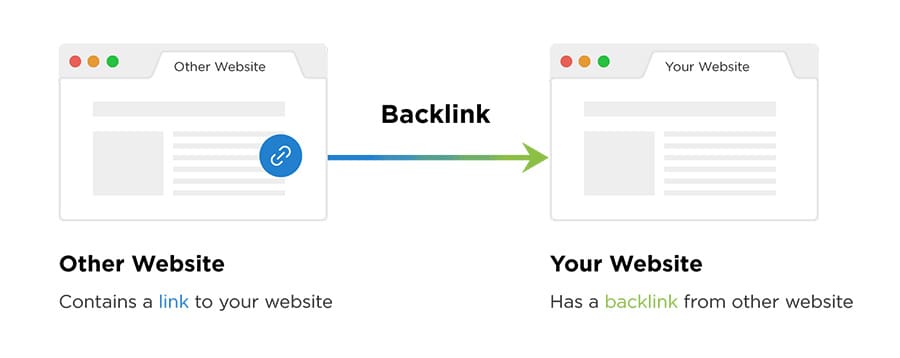
In plastic surgery SEO, trust carries more weight than in most industries.
The data from Zyppy’s 2026 survey of 131 SEO professionals says that 55% of respondents selected backlinks as one of the three most important factors. Only relevance ranked higher at 57%.
That’s a strong vote. Still, links aren’t everything. Content relevance ranked first, so a page with great links and thin content won’t hold its spot for long.
There’s a newer reason links matter, too. As Bill Hartzer notes, a link from a trusted publication now feeds two systems at once: Google’s ranking of your page and the corpus that language models pull from when someone asks for a recommendation.
That means plastic surgery SEO backlinks can help patients find you on Google and in tools like ChatGPT.
What Makes a Backlink Valuable for a Plastic Surgery Practice?
Not every link is equal. One link from the right site can outperform 50 from the wrong ones.
Relevance
Links from medical, aesthetic and beauty sites tell Google you belong in this space. A link from a car repair blog doesn’t.
Authority and Trust
Google holds medical content to a higher standard. It calls this “Your Money or Your Life” content. Links from ASPS, The Aesthetic Society, hospitals and universities carry serious weight.
Local SEO Signals
Local news sites, chambers of commerce and community groups help you rank for “procedure + city” searches. These are often the plastic surgery SEO backlinks that move rankings fastest.
Link Building Strategies for Plastic Surgery SEO
The best plastic surgery SEO backlinks are earned, not bought. Here’s where to start.
- Medical directories and associations. Claim and complete your profiles on ASPS Find a Surgeon, The Aesthetic Society, RealSelf and Healthgrades. These sites are trusted, relevant and used by real patients.
- Local media. Pitch seasonal stories. Think holiday mommy makeover timing or summer body contouring trends. Local reporters always need expert voices.
- Podcasts and video. Guest spots on industry shows earn links and build your name with peers and patients.
- Community sponsorships. Charity galas, 5K races and women’s health nonprofits often link to their sponsors.
- Linkable content. Create resources others want to cite. Cost guides, recovery timelines and original patient survey data earn links over time.
- Unlinked mentions. Find sites that mention your practice without linking to it. A quick, friendly email often fixes that.
How Many Backlinks Do Plastic Surgeons Need to Rank?
The honest answer? The number of plastic surgery SEO backlinks you need depends on your city, procedure and competition.
Start with referring domains, not total backlinks. Ten links from ten different sites beat 100 links from one site.
Tools like Ahrefs give each keyword a difficulty score. They also estimate how many referring domains you need to reach the top 10.
Here’s a snapshot from markets we’ve covered.
| Keyword | Keyword Difficulty (0-100) | Est. Referring Domains Needed |
|---|---|---|
| plastic surgeon las vegas | 62 | 141 |
| breast augmentation las vegas | 55 | 103 |
| mommy makeover las vegas | 2 | 5 |
| plastic surgeon minneapolis | 59 | 123 |
| rhinoplasty minneapolis | 1 | 3 |
| tummy tuck minneapolis | 32 | 40 |
| breast augmentation new orleans | 48 | 77 |
| liposuction new orleans | 1 | 4 |
| plastic surgeon denver | 64 | 153 |
| facelift denver | 2 | 7 |
A few patterns usually stand out. Broad terms like “plastic surgeon [city]” tend to need the most links. Specific procedure keywords often need far fewer, which makes them smart early wins.
Want more local detail? Read our guides to plastic surgery marketing in Las Vegas, Minneapolis and New Orleans, plus our look at plastic surgery SEO in Denver.
Where Backlinks Fit Into Plastic Surgery SEO Services
Backlinks are one piece of the puzzle. Strong SEO for plastic surgery also includes detailed procedure pages, an optimized Google Business Profile, steady reviews and a fast, mobile-friendly site.
Plastic surgery SEO backlinks amplify good work. They can’t replace it.
At Neur Digital, we’ve seen what happens when content, local SEO and smart link building work together. You can see the results in our SEO case study.
When comparing plastic surgery SEO services, ask each agency how they earn links. If they can’t name real sources, keep looking.
Conclusion
So, are plastic surgery SEO backlinks still worth the hype? Yes, as long as they’re the right ones.
Earned, relevant links from trusted sources still separate page one from page two. Pair them with strong content and a solid local presence, and you give Google every reason to send patients your way.
Not sure where your link profile stands? We’re happy to take a look and talk it through.
Plastic Surgery SEO Backlinks FAQs
Yes. Links from trusted sites help both Google rankings and AI tool recommendations.
AI tools like ChatGPT pull from sources the web already trusts. When respected publications and medical sites link to your practice, you’re more likely to show up in those answers. That makes link building more valuable, not less.
No. Paid link packages break Google’s guidelines and can damage your rankings.
Bought links usually come from low-quality or unrelated sites. Google is good at spotting them. Earned links from directories, media and medical organizations are safer and last longer.
Most practices see movement within three to six months. Competitive markets can take longer.
Google needs time to find and weigh new links. Results also depend on your content, your site’s age and how strong local competitors are. Steady, consistent link building beats short bursts.


